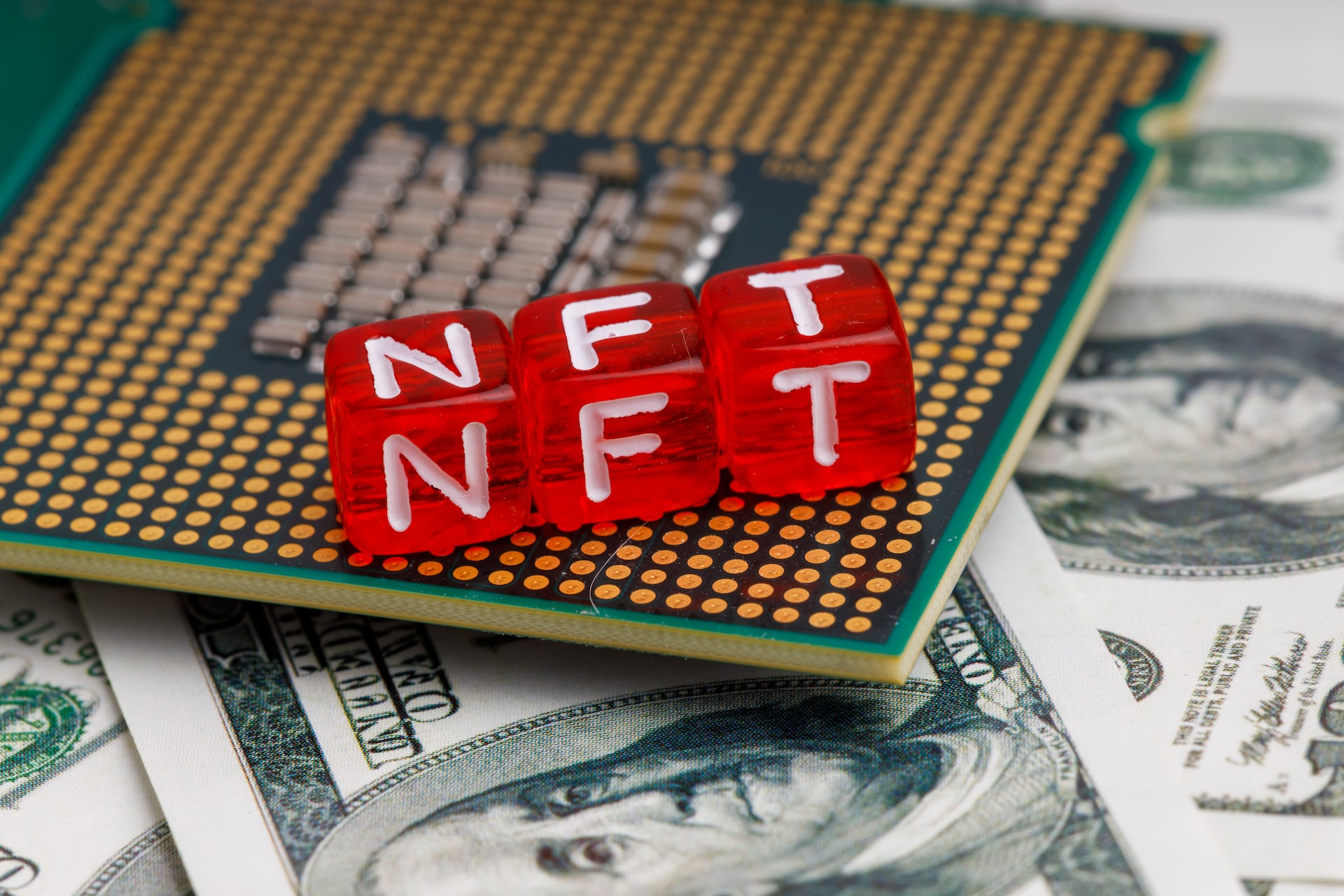
NFTs are taking the world of digital art and collectibles by storm, resulting in substantial sales to a new crypto-audience and transforming the lives of digital artists. Even celebrities are jumping on board, recognising a new way to connect with their followers. Some of you might wonder what an NFT is and how they work, so let's start with the basics of NFTs.
Understanding NFTs and How They Work

Understanding NFTs and How they Work, photo by Pixabay
NFTs' popularity began to rise in early 2020, during the start of the COVID-19 pandemic. There is literally an explosion of Blockchain news discussing Bitcoin and NFTs. What is an NFT, and how do they work?
NFT stands for non-fungible tokens, which are digital assets that represent something unique and irreplaceable, such as a one-of-a-kind artwork or collectible. The term 'non-fungible' means that these assets cannot be exchanged for something else of equal value, unlike fungible assets such as currency. This is because NFTs have distinct and specific attributes that set them apart from any other item.
NFTs employ blockchain technology to allow for the easy and verifiable creation, buying, and selling of the unique items. It's important to note that buying an NFT does not necessarily grant ownership of the underlying asset's copyright, intellectual property rights, or commercial rights, unless explicitly stated.
To put it simply, NFTs work as follows:
- Most NFTs are stored on the blockchain of the Ethereum cryptocurrency, which is a publicly distributed ledger that records transactions. These NFTs are unique tokens that hold important information.
- Just like physical art, NFTs can be bought and sold, with their value being mostly determined by market demand.
- What makes NFTs unique is that their ownership can be easily verified and authenticated, and the transfer of tokens between owners can be traced on the blockchain.
An Example of NFTs
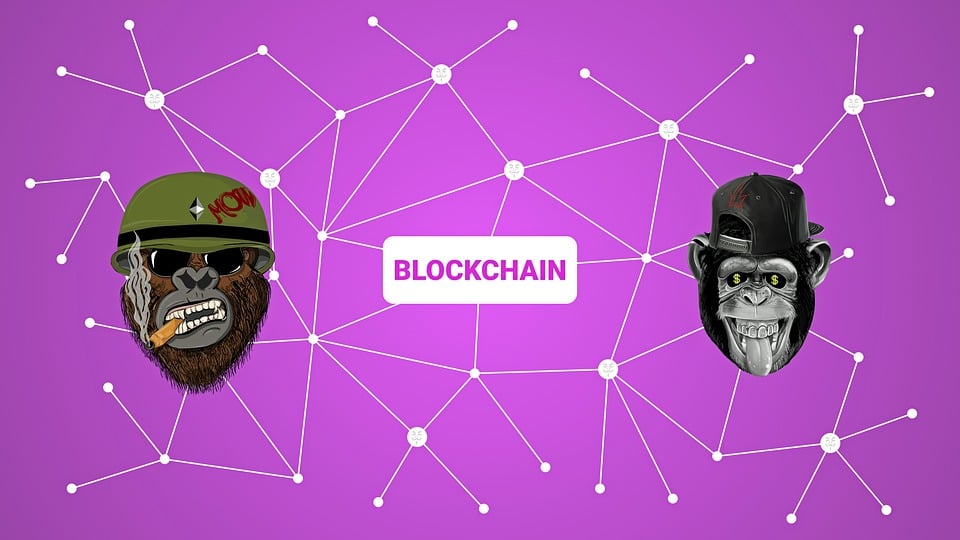
Main Example of NFT, photo by Pixabay
CryptoKitties are among the most popular NFT applications. These digital representations of cats, introduced in November 2017, have unique identifiers on the Ethereum blockchain. Each kitten is distinct and has a value in ether. CryptoKitties can breed with each other, producing new offspring with different traits and values from their parents.
In recent times, the Bored Ape Yacht Club has sparked debates due to its extravagant prices, star-studded customers, and high-profile incidents of NFT theft. The collection of 10,000 NFTs also doubles as a Yacht Club membership card, allowing exclusive access to members-only services. With ownership of a Bored Ape NFT, you are granted permission to use "The Bathroom Wall," a digital graffiti board, and can even adopt a virtual puppy through the Bored Ape Yacht Club.
Why are NFTs Important?
Why are NFTs Important? photo by Unsplash
Non-fungible tokens are a development of cryptocurrency's very straightforward notion. Modern financial systems are made up of complex trading and financing systems for many asset kinds, such as real estate, lending contracts, and artwork. NFTs advance the reinvention of this infrastructure by enabling digital representations of physical assets.
The most evident advantage of NFTs is increased market efficiency. Converting a physical item to a digital asset streamlines operations and eliminates intermediaries. NFTs on a blockchain representing digital or physical artwork eliminate the need for agents and allow artists to communicate directly with their audiences.
Non-fungible tokens are also great for managing identities. Consider the example of physical passports, which must be produced at every point of entry and exit. Individual passports can be converted into NFTs, each with its own unique identifying qualities, allowing countries to streamline their entry and exit processes for jurisdictions.
How to Trade NFTs
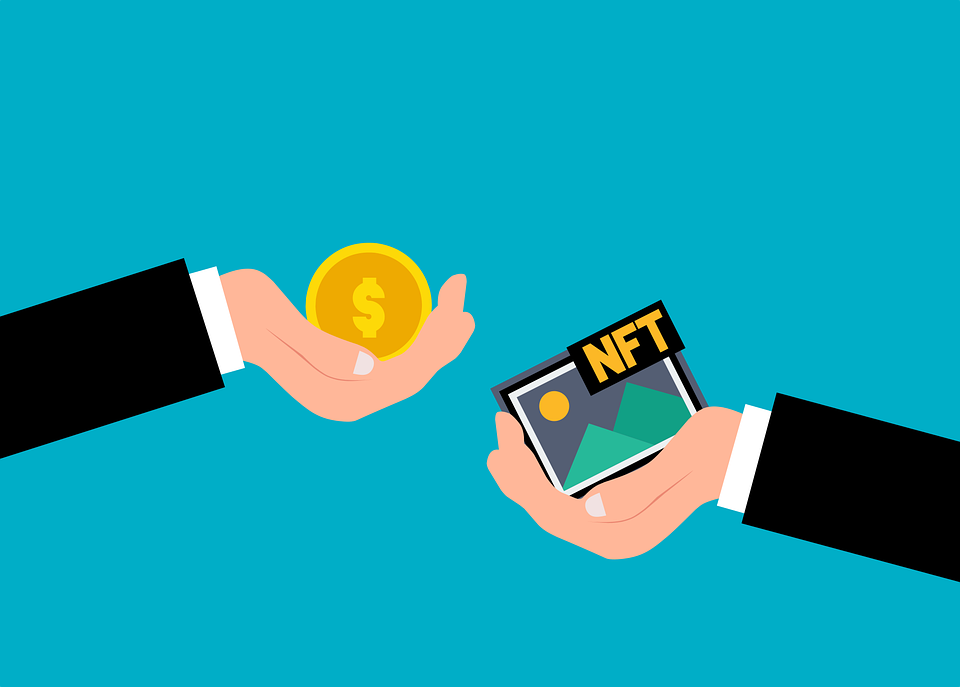
How to Trade NFTs, photo by Pixabay
After learning what and NFT is and how they works, you should also know how to buy and trade NFTs easily. The good news is that it is quite easy for you to start NFT trading, and here's what you need to do:
- Get Yourself a Crypto Wallet
A crypto wallet is a place where you can store the NFTs you purchase.. Some crypto wallets also allow you to buy and sell your newly acquired NFTs. Please note that most of the NFTs are using the Ethereum Blockchain. Make sure you get a suitable crypto wallet that is suitable for the technology and offers a wallet for your NFTs. - Start to Acquire NFTs
After successfully getting yourself a crypto wallet that can store NFTs, you can start to acquire NFTs by playing NFT games or trade in NFT marketplaces.
- Trade your NFTs via Marketplaces
Selling your NFTs in the secondary market (a transaction that does not involve the original NFT developer) is the same process as described above, but the digital asset does not need to be created.
Simply move the NFT to the marketplace where you want to sell it (if it isn't already there, or if you keep your NFTs only in your personal crypto wallet and don't have them visible on a marketplace). Then, from the page of the NFT you want to sell, click the "Sell" button. Gas and marketplace listing fees will apply, reducing your total take-home income, as would any royalties imposed by the original NFT author.
- Know the Right Time to Sell NFTs
The best moment to sell an NFT is determined by the NFT's purpose and why you established or purchased it in the first place. It is critical to understand that NFT trading is not a get-rich-quick scam. Because they are essentially digital assets, the value of your NFT has the potential to sink as well as rise. As a result, there will be many inexperienced NFT traders who have lost a lot of money.
Over the last two years, NFT trading has grown into a large industry, and the good news is that it is here to stay. This is due to the digital tokens' adaptability to any type of collection, and the fact that their values are demand-based,make them extremely transferable. There's no reason why you can't enjoy purchasing and selling your NFTs as long as you understand the risks involved in trading.