
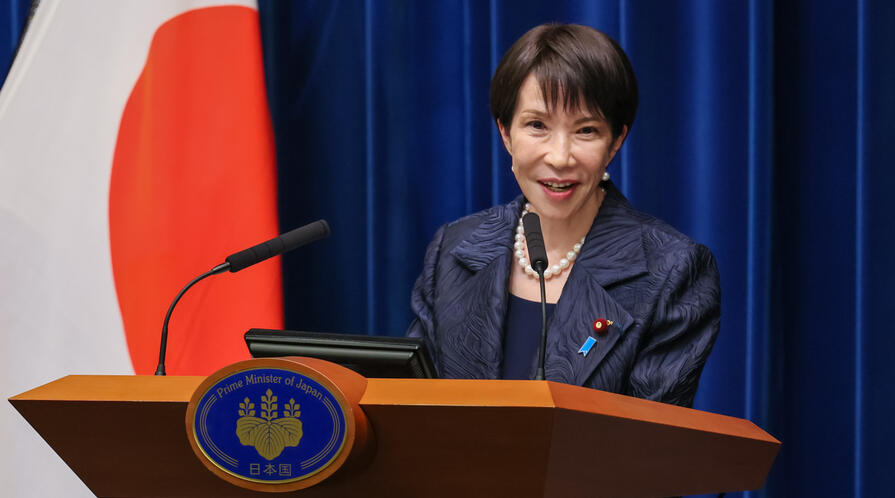
Japan recently made a major political decision to dissolve its House of Representatives, as announced by its current Prime Minister Sanae Takaichi. This major decision is expected to mark the start of the snap election phase in the country. The dissolution of parliament also ends the lower house's term before its regular term expires, paving the way for a short-term national political contest.
The move to dissolve Japan's House of Representatives began recently, on January 23rd, 2026, with a nationwide vote scheduled for February 8th. This snap election will see all 465 seats in Japan's lower house of parliament up for grabs, making it one of the country’s most important political battles in recent years. The decision also immediately attracted public and international media attention. This snap election would be Sanae Takaichi's first electoral test since becoming prime minister in October 2025. Takaichi even publicly stated that she was willing to stake her political future on the election, indicating that the dissolution of the House of Representatives was more than just an administrative procedure but a serious power struggle.
Sanae Takaichi also stated that she would resign immediately if the ruling bloc does not win more than half of the lower house seats in the upcoming House of Representatives election. Takaichi, who is also the president of the ruling Liberal Democratic Party, stated that an electoral defeat would prevent her from serving as prime minister or pursuing her policy agenda.
What’s the driver of this dissolution of the country’s House of Representatives?
The reason is reportedly related to the growing domestic economic pressure felt by the public. The main issues confronting Takaichi's administration are rising prices for basic necessities and the rising cost of living in Japan. According to a recent survey conducted by a public broadcaster, approximately 45% of respondents ranked prices as their primary concern, far outweighing diplomacy and national security.
In this context, the snap election was framed as a means of seeking a re-mandate from the people. Takaichi believed that strong political legitimacy was required for her government to implement strategic policies, particularly in the economic sphere. One promise she made was to temporarily suspend the 8% food consumption tax for two years, claiming it would reduce the burden on households.
Aside from economic factors, it is also linked to the government's midterm agenda. At the end of December, the Takaichi cabinet just approved the largest state budget in Japanese history, worth 122.3 trillion yen. Victory in the snap elections is expected to strengthen the governing coalition's position in parliament, allowing for more efficient passage of this huge budget and strategic legislation.
Additionally, the dissolution of the House of Representatives is a way to handle geopolitical dynamics. The Japanese government is currently addressing regional tensions, particularly those involving China and Taiwan, while also seeking to strengthen strategic ties with the United States. With the Japanese Legislative Assembly dissolved and midterm elections scheduled for February, the outcome of the upcoming vote will determine the direction of Japanese policy, both domestically and internationally. According to a Nikkei survey, Takaichi's approval ratings are currently still at an all-time high of 75%, marking the third month in a row with ratings above 70%