
-2024-05-09T02_03_24.875Z.jpg)
Illustration of Crypto Bubble, photo by Jakub Zerdzicki on Pexels
As 2024 unfolds, the cryptocurrency landscape is tinged with uncertainty and anticipation. With the recent SEC approval of Bitcoin ETFs and a post-Bitcoin halving event, stakeholders from casual investors to financial giants are speculating about the potential for a market shift.
The notion of a "crypto bubble" is a recurring theme that invokes both caution and excitement within the investment community. Historically, financial bubbles have been characterized by rapid escalation in asset prices followed by a collapse. However, the dynamics might differ with Bitcoin due to structural changes in the market and regulatory advancements.
Could this year mark the crypto bubble bursting, or will these developments stabilize and mature the market? This article delves into the dynamics of the current crypto condition in 2024.
History of Crypto Bubble
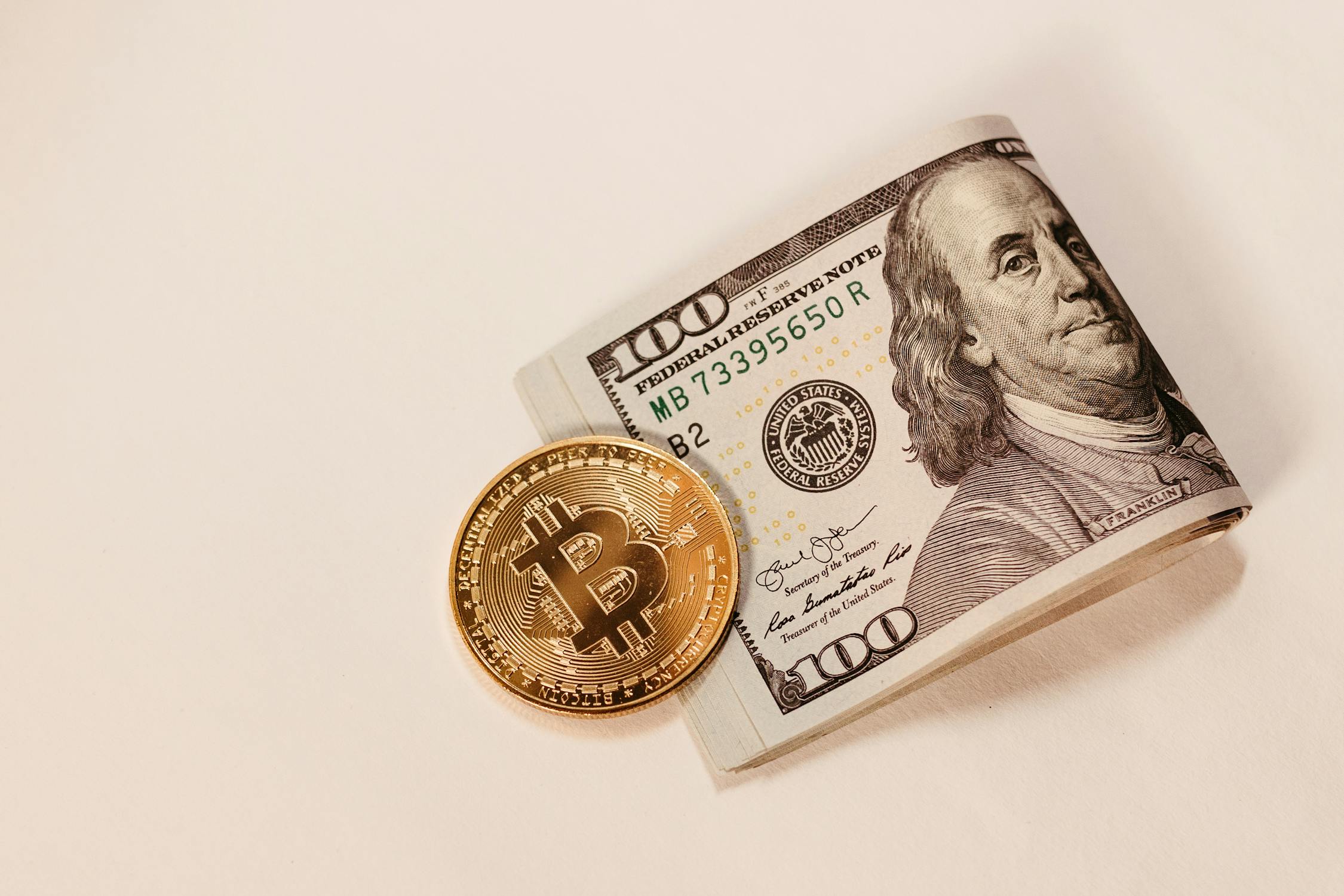
Illustration of Crypto Bubble, photo by Jonathan Borba on Pexels
The term "bubble" in economics refers to a significant escalation in asset prices followed by a massive contraction. In the realm of cryptocurrencies, this pattern has been frequently observed, characterized by rapid increases in market value driven by investor speculation, followed by sharp declines. The typical lifecycle of a bubble includes phases like displacement, boom, euphoria, profit-taking, and panic, which have all been seen in the crypto markets.
The Early Era of Bitcoin (2009 - 2012)
Bitcoin, created by the pseudonymous Satoshi Nakamoto, marks the inception of cryptocurrencies in 2009. Initially, Bitcoin was met with curiosity but little mainstream investment, causing minimal price movement. Early adopters were primarily tech enthusiasts and libertarians, intrigued by the decentralized nature of the technology rather than speculative gains.
The First Major Bitcoin Bubble (2013)
Bitcoin’s first notable bubble or surge occurred in 2013, where its value skyrocketed from about $13 to over $1,000. This rise was fueled by many factors, like the increased media coverage and financial crisis in Cyprus, which prompted many to seek alternative places to store value outside traditional banking systems.
The 2021 Bull Market and Subsequent Corrections
In 2021, the crypto market experienced another intense bull run, fueled by the popularity of altcoins, decentralized finance (DeFi), and non-fungible tokens (NFTs). Yet, this period was also marked by significant volatility, impacted by factors like regulatory crackdowns in China and mixed signals from major corporate investors like Tesla.
What Drives Crypto Bubble?

Illustration of Cryptocurrency, photo by Anna Tarazevich on Pexels
The primary catalyst behind cryptocurrency bubbles is rampant speculation. Investors often flock to cryptocurrencies not due to their underlying utility but because of the potential for significant short-term gains. This speculation is fueled by stories of early investors making outsized returns, creating a fear of missing out (FOMO) among the public. As more people invest, hoping prices will continue to climb, the bubble inflates.
Media coverage significantly impacts crypto markets, where positive news can lead to rapid price increases, and negative news can trigger sharp declines.
This sensitivity to news creates a feedback loop; as prices increase, media interest spikes, drawing more investors to the market, further driving up prices until negative news or market saturation leads to a collapse.
Cryptocurrency markets are very susceptible to manipulation due to their relatively laid-back nature. “Whales,” or also called large holders of digital currencies, can influence price fluctuations by executing large transactions. Additionally, automated trading systems (or some called it AI), can exacerbate price movements, leading to increased volatility. Herd behavior, where investors mimic the actions of other traders, often exacerbates these effects, leading to more pronounced market cycles.
Signs that Crypto Bubble Will Happen

Illustration of Person Investing in Crypto, photo by Tima Miroshnichenko on Pexels
Identifying signs of an impending crypto bubble is crucial for navigating the highly volatile cryptocurrency markets. These indicators provide insights into potential overheating, where prices might reflect not only investor enthusiasm but also speculative excess.
A telltale sign of an approaching bubble is when market sentiment becomes excessively optimistic. This can often be measured through the tone and volume of discussions on social media platforms and financial news outlets where the potential of cryptocurrencies is touted as limitless. The narrative often suggests that buying into cryptocurrencies now—regardless of the price—will result in significant future gains.
A Surge in Market Participation
The entry of new investors, especially those inexperienced with the crypto market's complexities, often marks the build-up to a bubble. These new participants are typically drawn in by rising prices and the promise of quick profits, rather than an understanding of blockchain technology or fundamental market factors.
Increasingly High Trading Volumes and Volatility
A sharp increase in trading volumes coupled with heightened volatility is a precursor to a bubble. This volatility isn't merely about price fluctuations; it also reflects massive inflows of capital and frenetic trading activity as participants rush to buy in or cash out, which further destabilizes the market.
Preparation for the Burst of Crypto Bubble

Illustration of Person Learning About Crypto, photo by RDNE Stock Project on Pexels
Understanding how to prepare for a potential burst of a crypto bubble is essential for both individual investors and organizations involved in the cryptocurrency market. Proper preparation can help mitigate losses and even provide opportunities for strategic gains during market corrections.
Here are some things you can do in preparation for the burst of crypto bubble:
Maintain a Balanced Portfolio
One of the foundational strategies for preparing for a bubble burst is maintaining a diversified investment portfolio. This means not over-allocating funds to cryptocurrencies but instead having a balanced mix of assets such as stocks, bonds, and real estate. Diversification helps manage risk and reduce the impact of a crypto market crash on your overall financial health.
Establish Risk Management Practices
Investors should establish clear risk management rules, including setting stop-loss orders and having a predetermined plan for cashing out or scaling down positions in volatile markets. It’s crucial to decide in advance how much loss you are willing to tolerate and at what point you will exit your positions to preserve capital.
Keeping abreast of market trends, regulatory changes, and technological developments within the crypto space can provide critical signals about when a market may be overheating. Use a variety of sources for your information to avoid echo chambers that may perpetuate hype. Analytical tools and metrics can also provide insights into market sentiment and potential reversal points.
Utilize Hedging Strategies
For those more versed in advanced financial tactics, hedging can be an effective way to prepare for a bubble burst. This could involve options or futures contracts that pay off if the price of a cryptocurrency falls or investing in assets that are inversely correlated with the cryptocurrency market, like certain types of bonds or stocks in industries less affected by crypto fluctuations.
Sum: Will Crypto Bubble Burst in 2024?
Whether the crypto bubble will burst in 2024 remains uncertain. While there are signs of potential overheating, such as excessive speculation and rapid price increases, the evolving nature of technology and market regulations, along with global economic factors, makes precise predictions challenging. Investors should remain cautious, stay informed, and be prepared to adjust their strategies in response to significant changes in market dynamics. This cautious approach will help mitigate risks while allowing investors to capitalize on opportunities in a rapidly changing market landscape.