
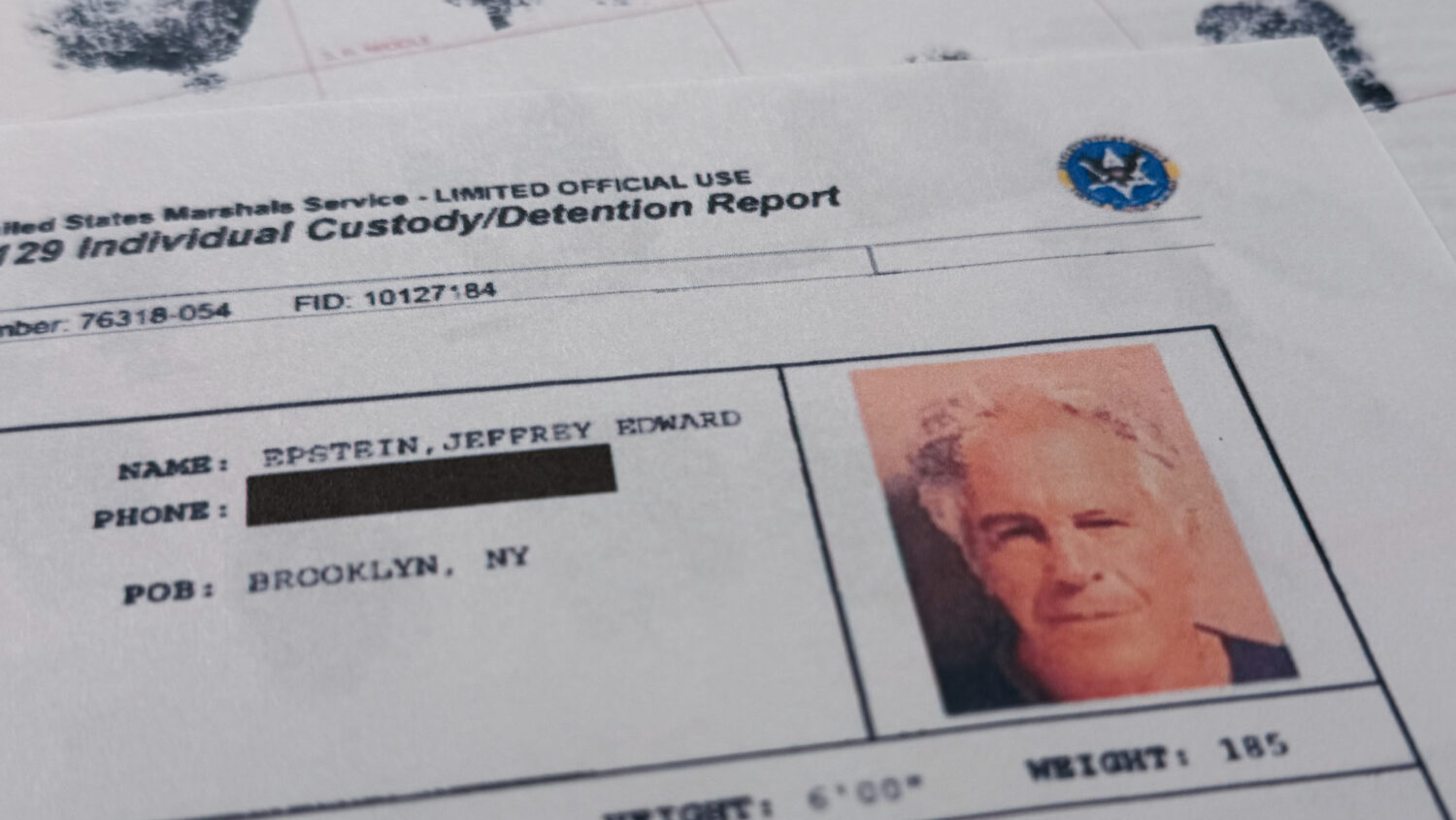
Jeffrey Epstein's files have become a hot topic around the world due to Epstein's connections to many important figures and celebrities. However, it appears that these files cover more than just celebrities. A recent public release of new files shed light on the former financier's involvement in the financial and technology worlds, including his connections to key figures in Bitcoin and the crypto ecosystem during its early development. Epstein's email correspondence, ideological discussions, and investment involvement with Bitcoin founders, investors, and infrastructure projects have all been documented in newly released public files.
Who is Jeffrey Epstein?
Jeffrey Epstein was a former American financier who became widely known globally for his involvement in sex crimes and human trafficking. He was convicted of child sexual abuse in 2008 before being arrested again in 2019 on broader federal charges. Epstein was well-known for his extensive social and financial network, which included politicians, business leaders, celebrities, and the global tech elite. He died in federal custody in 2019, and the cause of death was officially determined to be suicide, but the case is still being debated. The most recent document release by the US Department of Justice seeks to provide access to Epstein's correspondence and internal records.
Epstein expressed an early interest in Bitcoin.
Epstein has been closely following Bitcoin's development since the early 2010s. In a 2011 email, he described Bitcoin as a "brilliant" idea, despite the fact that the technology at the time had serious flaws and risks. During the same time period, Bitcoin's global transaction volume remained low, and its price was just beginning to fluctuate. The email shows Epstein discussing Bitcoin's potential and limitations with several colleagues, including Bill Gates' former technology advisor. Epstein's interest in digital currencies persisted for years, and in a 2016 email to royal advisors in Saudi Arabia and the United Arab Emirates, he proposed the Sharia Dollar, a new currency concept inspired by Bitcoin but designed to comply with Sharia laws. In the email, Epstein claimed to have discussed the idea with several Bitcoin founders, which became one of the most notable claims in the documents made public.
His involvement in Blockstream’s seed funding
Aside from his association with Bitcoin founders, one of the most significant discoveries is Epstein's participation in Blockstream's initial funding in 2014. Blockstream is a Bitcoin infrastructure company that contributed to the development of sidechain technology and the scaling of the Bitcoin network. According to internal emails, Epstein participated in a $18 million seed funding round that was oversubscribed. His personal investment of approximately $50,000 was made through a fund managed by Joi Ito, the former director of the MIT Media Laboratory. Blockstream CEO Adam Back later confirmed that the relationship was only for the initial investment and that any associated funds had been completely divested due to potential conflicts of interest. Blockstream also stated that it has no direct or indirect financial ties to Epstein or his assets at the present time.
Epstein’s involvement continues…
The files also show that Epstein was closely involved in the crypto industry’s internal information loop. In a 2014 email, Blockstream co-founder Austin Hill warned Epstein and other tech figures about internal conflicts in the industry, including tensions sparked by Jed McCaleb’s launch of Stellar. This demonstrates that Epstein was more than just a passive investor; he was also the recipient of strategic information about the early dynamics of the blockchain ecosystem. The name of the current vocal Bitcoin supporter, Michael Sayer, was also discovered in the Epstein Files through third-party correspondence in 2010, long before Saylor became known as a crypto figure. Additionally, Kevin Warsh, a former Federal Reserve governor and candidate for Fed Chair, was on the invite list for Epstein's 2010 event, but there is no evidence of Warsh's involvement in any illegal activity, and his inclusion is administrative.
In the end, the US Department of Justice confirmed that there were no crypto wallets, blockchain transactions, or evidence of Bitcoin being used for money laundering or other crimes in the files. While Epstein is not a major player or central figure in the cryptocurrency industry, these documents demonstrate his close ties to the early Bitcoin ecosystem via elite networking, ideological discussions, and small-scale investments. These findings are important for understanding how financial power and global networks influenced Bitcoin's early development.